Grading Content & Exposing Bias

Topic · 2 reports

Elections

Average grade, political-lean & social sentiment for this topic unlock with a free CladFacts account.

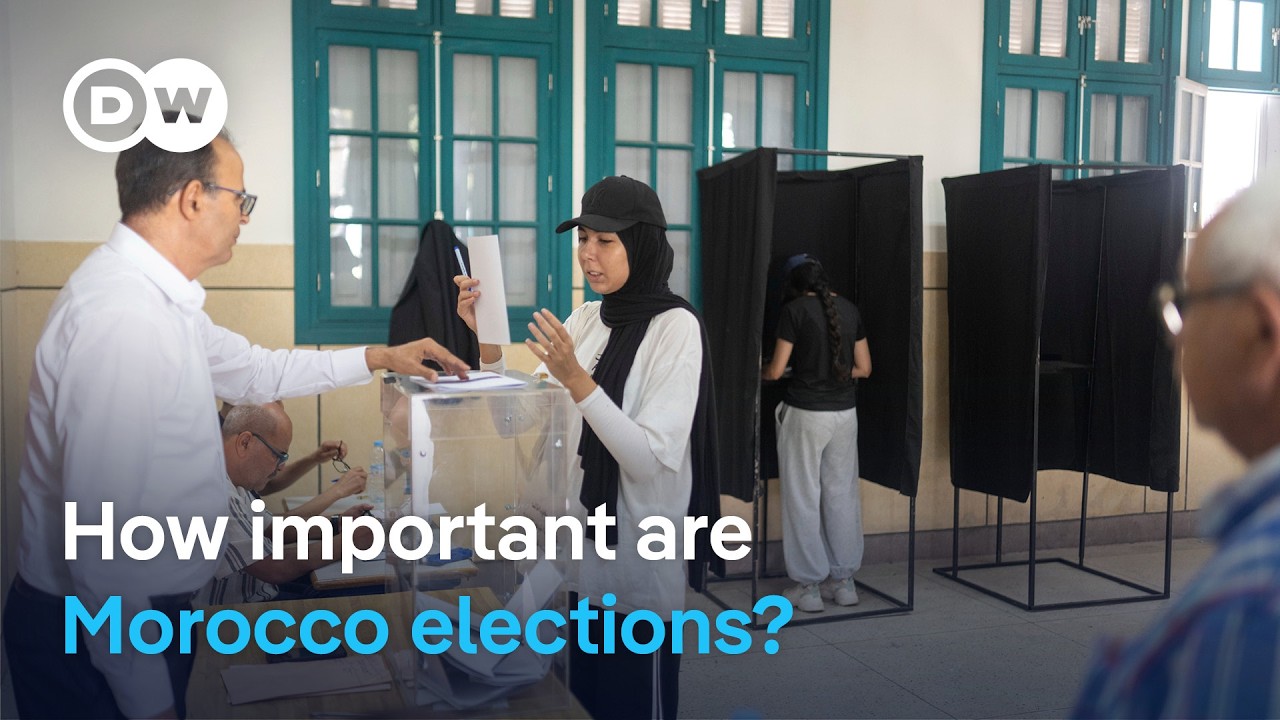
Video: Morocco holds parliamentary vote with youth turnout near zero

Morocco holds parliamentary vote with youth turnout near zero

Sep 23, 2026

DW News covered Morocco's September 23, 2026 parliamentary elections as a test of public confidence amid widespread voter apathy, especially among youth. Segments focused on low turnout at polling stations in Rabat, dominant campaign issues of jobs, cost of living, healthcare and housing, and the disconnect between 4.4% projected GDP growth and persistent youth unemployment. Correspondent Yan Philip Schultz reported empty polling stations and analyst projections of turnout possibly below 40%; expert Alyssa Javier from the Atlantic Council discussed structural barriers, World Cup spending priorities, and the limited but real domestic role of parliament under the monarchy. Reporting relied on street interviews, official registration statistics, recent protest and migration context, and expert analysis rather than anonymous sources. The throughline was youth disillusionment—visible in low 3-4% registration for 18-24 year olds, Gen Z protests in 2025, and the July 2026 Ceuta border surge—despite political promises to channel World Cup economic gains toward young Moroccans.

Source: DW News
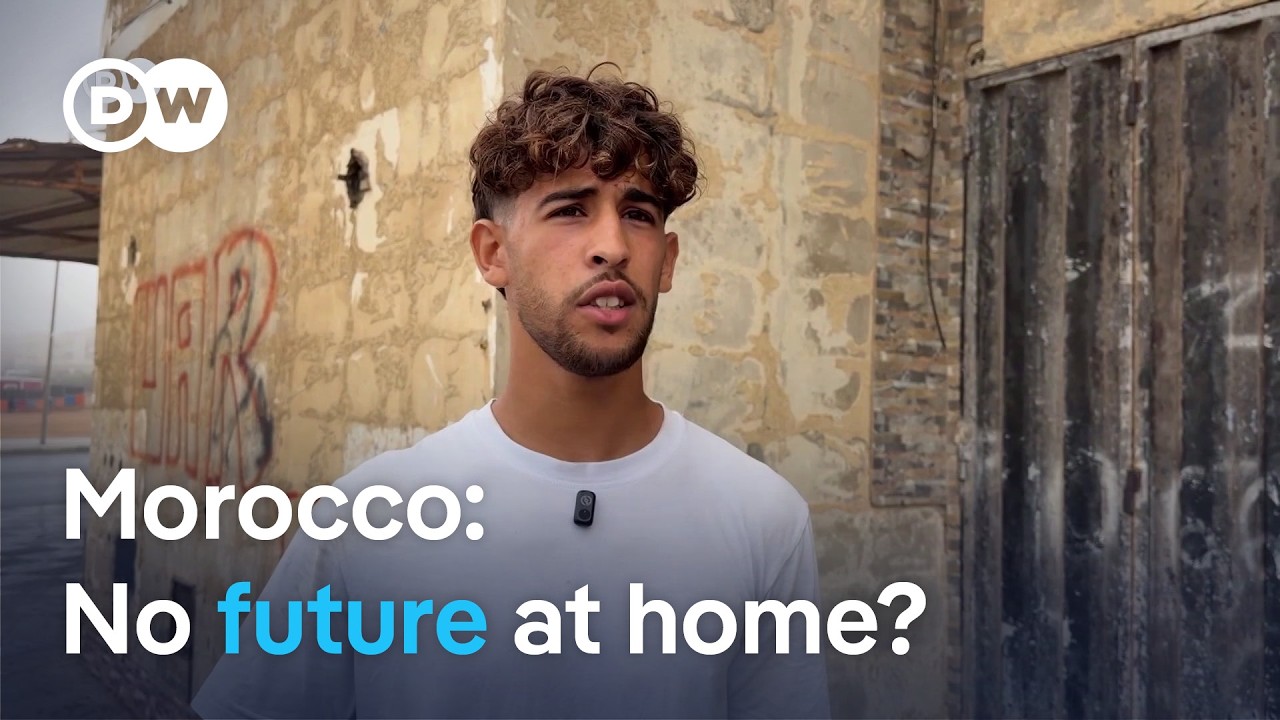
Video: Morocco holds parliamentary elections amid youth frustration and low registration

Morocco holds parliamentary elections amid youth frustration and low registration

Sep 22, 2026

The DW News segment profiles two young Moroccans ahead of Morocco's September 23, 2026 parliamentary elections: one disengaged and attempting irregular migration to Europe via Ceuta, the other running as the country's youngest parliamentary candidate. It highlights steady economic growth and prestige infrastructure like the 250m Mohammed VI Tower contrasted with widespread youth frustration over unemployment, poor healthcare and education, rising living costs, and regional disparities. Reporters note low expected turnout (under 37-50%) and Gen Z rejection of established parties, followed by studio discussion with correspondent Yan Philip Schultz on generational/regional divides and expert Intissar Fakir on why elections mean little to protesting youth.

Source: DW News